
Postpartum hair loss can feel deeply personal. After pregnancy, delivery, sleepless nights, feeding schedules, and a completely new rhythm of life, many moms finally look in the mirror and notice something else has changed: their hair. The shower drain looks fuller. The hairbrush collects more strands. The ponytail feels thinner. For some patients, the shedding can feel sudden, emotional, and honestly unfair.
The important thing to know is that postpartum hair loss is common, but that does not make it easy to experience. During pregnancy, elevated hormone levels often keep more hairs in the growth phase, which is why many women enjoy thicker-looking hair. After delivery, hormones shift, and more hairs can enter the shedding phase at the same time. This can create noticeable thinning around the hairline, temples, part line, or overall scalp.
That is where PRF hair restoration can offer a natural, regenerative option. Instead of relying on synthetic additives, PRF uses components from the patient’s own blood to support scalp health, stimulate dormant follicles, and encourage healthier hair growth over time. For Tracy moms who want a gentle, biologically inspired approach, PRF can be a meaningful next step.
Keep reading to learn how PRF works, why it is different from traditional PRP, and how it may help restore confidence after postpartum shedding.
What Is PRF Hair Restoration?
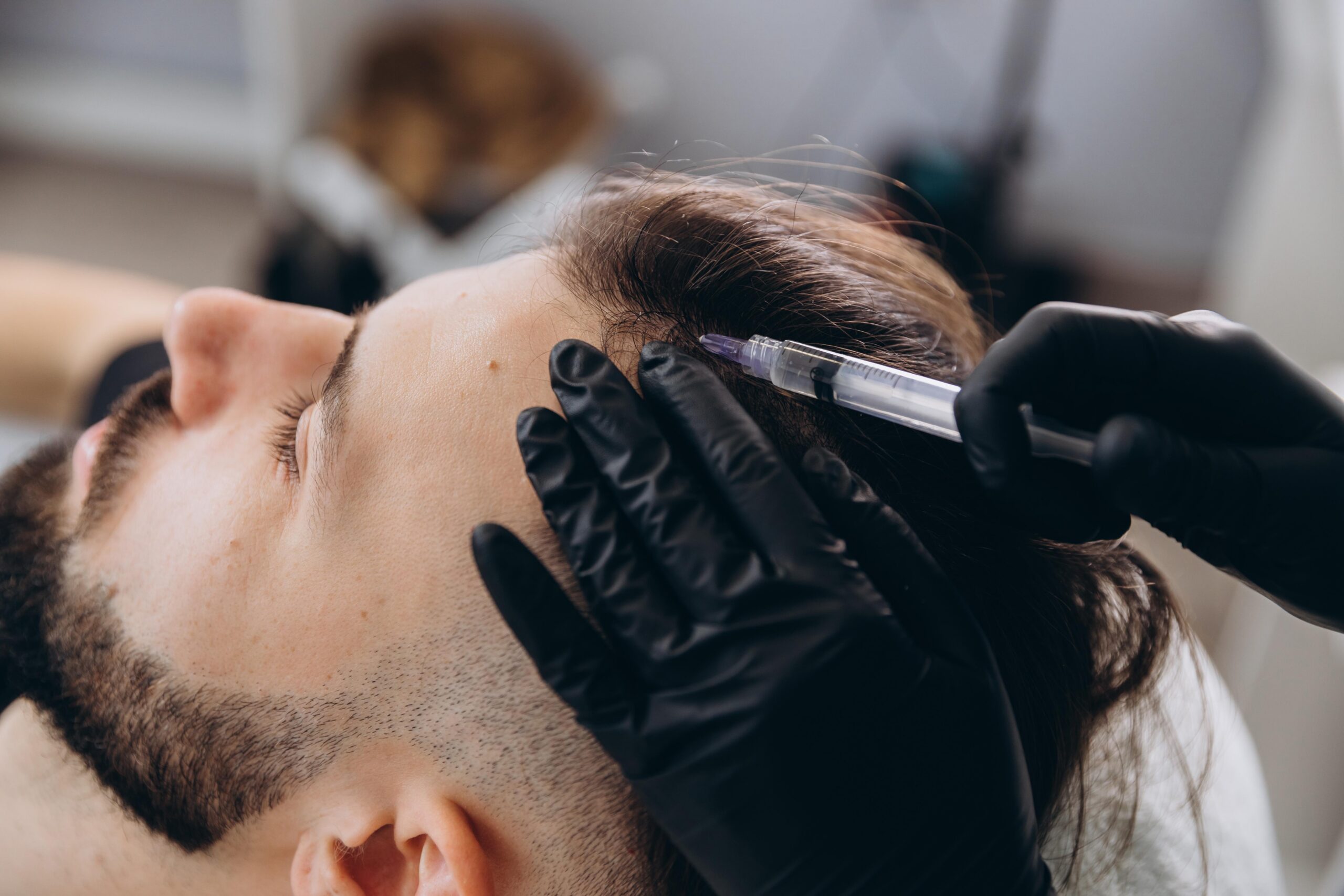
PRF stands for Platelet-Rich Fibrin. It is an advanced platelet-based therapy created from a small sample of the patient’s own blood. Once collected, the blood is processed to separate and concentrate healing components such as platelets, white blood cells, fibrin, and growth factors.
These components are then placed into targeted areas of the scalp where thinning or shedding is present. The goal is to support the scalp environment, improve circulation, and encourage healthier follicle activity.
Many patients researching PRF hair restoration in Tracy, CA, are interested in a treatment that uses the body’s own regenerative resources. Because PRF is autologous, meaning it comes from the patient’s own body, it is often appealing to patients looking for a more natural hair restoration approach.
Why Postpartum Hair Loss Happens
Postpartum shedding is often tied to a condition called telogen effluvium. This occurs when a larger-than-usual number of hairs shift into the resting and shedding phase. Pregnancy hormones can delay shedding, so after birth, the body may release those retained hairs all at once.
This can be startling, but it does not always mean permanent hair loss. Many moms see improvement over time as hormones stabilize. However, some patients need additional support, especially if shedding is intense, density feels slow to return, or other factors are involved.
Because several factors can overlap, a personalized consultation is important. PRF may support hair restoration, but the best plan often looks at the whole patient, not just the scalp.
PRF vs. PRP: The Difference Matters
Many patients have heard of PRP, or Platelet-Rich Plasma, but PRF is considered the next generation of platelet therapy. Both use the patient’s own blood, but they are processed differently and behave differently once applied.
When comparing PRF vs. PRP hair loss treatment, PRF is often valued because it contains a fibrin matrix. This matrix acts like a slow-release framework, allowing growth factors to be released gradually over time. PRF may also contain a higher concentration of platelets and white blood cells, which can support a longer regenerative response.
The difference between PRF and PRP hair treatments is not about one being flashy and the other being outdated. It is about delivery, concentration, and how the growth factors are released. PRF offers a more advanced structure that may help extend the healing and follicle-supporting process.
1. PRF Awakens Dormant Follicles
Postpartum shedding can make hair feel thinner because many follicles shift into a resting phase. PRF helps create a more supportive scalp environment by delivering concentrated growth factors to areas where follicles may be underperforming.
These growth factors act like biological signals. They help encourage the natural repair process and may support follicles as they return to a healthier growth cycle. This is especially valuable for patients whose hair has not bounced back as expected months after delivery.
PRF does not create instant hair overnight. Hair growth is biological, which means it takes time. Patients usually need patience, consistency, and a treatment plan designed around their specific shedding pattern.
2. It Supports Scalp Circulation
Healthy hair growth depends on a healthy scalp. Follicles need oxygen, nutrients, and strong circulation to function properly. When the scalp environment is stressed, inflamed, or undernourished, hair quality can suffer.
Platelet-rich fibrin hair restoration helps support circulation and repair activity in the scalp. By delivering regenerative components directly where they are needed, PRF may help improve the conditions that allow follicles to grow stronger, healthier strands.
For postpartum moms, this can be especially helpful because the body has gone through intense physical demands. Supporting the scalp from within can be a thoughtful way to encourage recovery.
3. It Uses Your Own Natural Growth Factors
Many Tracy moms are careful about what they put in or on their bodies after pregnancy, especially if they are breastfeeding or navigating postpartum wellness. PRF is appealing because it uses the patient’s own blood components rather than synthetic growth factors or drug-based formulas.
This makes it a compelling option for patients seeking natural hair restoration without PRP or more advanced regenerative alternatives. PRF works with the body’s own repair signals, which aligns beautifully with patients who prefer a more natural path.
A provider should still review medical history, postpartum status, medications, and breastfeeding considerations before treatment. Natural does not mean casual. It means the plan should be thoughtful, safe, and individualized.
4. It Helps Improve Hair Density Over Time
Postpartum shedding is not only about losing strands. It is also about losing the feeling of density. The ponytail feels smaller, the scalp becomes easier to see, and styling becomes more frustrating.
PRF can help support fuller-looking hair by encouraging healthier follicle activity over time. As follicles become more active, patients may notice less shedding, improved thickness, and better overall coverage.
For many patients exploring PRF hair growth treatment in California, the goal is not a dramatic overnight transformation. The goal is gradual improvement that looks natural because it is coming from the body’s own growth cycle.
5. It Can Support the Hairline and Temples
Postpartum hair loss often appears around the front hairline and temples. This can be especially noticeable when pulling hair back, washing the face, or wearing certain hairstyles.
PRF can be placed strategically in these thinning areas to support follicle function. Treating the hairline requires precision because the goal is soft, natural-looking improvement, not an artificial or overly dense result.
Over time, patients may see baby hairs, improved edge density, or a softer transition along the hairline. These small changes can make a big emotional difference.
6. It Encourages Longer-Lasting Regenerative Support
Because PRF contains fibrin, it creates a matrix that helps growth factors release gradually. This slow-release effect is one of the reasons PRF is considered an advanced hair loss treatment in Tracy, CA.
Hair restoration is not only about stimulating the scalp once. It is about creating repeated regenerative signals that support follicles through the growth cycle. PRF’s structure may help extend that signal more effectively than older platelet-based approaches.
Most patients need a series of treatments because hair growth happens in stages. Your provider may recommend a schedule based on your hair loss pattern, goals, and response.
7. It Fits a Whole-Wellness Hair Plan
Postpartum hair loss is rarely solved by one treatment alone. PRF can be powerful, but the best results often come from combining treatment with supportive habits and medical guidance.
A complete plan may include evaluating nutrition, stress, sleep, thyroid status, iron levels, vitamin levels, and hair care practices. Patients may also be advised to avoid tight hairstyles, harsh chemical treatments, or aggressive brushing while the hair is recovering.
This holistic view matters because postpartum moms are not just treating hair. They are recovering from pregnancy, adjusting to new demands, and caring for themselves while caring for a baby. The plan should respect all of that.
A Natural Path Back to Fuller Hair
Postpartum hair loss can be overwhelming, but it does not have to be faced alone. PRF offers a regenerative option that uses the patient’s own platelets, fibrin, white blood cells, and growth factors to support scalp health and encourage healthier hair growth over time.
At Alyne Aesthetics & Med Spa in Tracy, CA, PRF hair restoration is approached with care, precision, and an understanding of how personal hair loss can feel. Motherhood changes so much, but it does not have to leave you feeling disconnected from your reflection.
With PRF hair restoration, Tracy moms can take a thoughtful, natural step toward restoring fuller-looking hair and renewed confidence. Call us today to book your consultation!